




Prototype, Low Volume, Mass Production, Soft and Used Molds
You are choosing tooling for a project that moves from prototype to low volume and eventually to mass production, and the most common mistake we see is using tooling from the wrong stage. You may pay for a prototype mold when you already need bridge tooling, or you may try to stretch a soft mold into mass production and lose more on downtime than you saved on tooling. In this guide, we explain what you actually get from each of four tooling types — prototype molds, bridge and soft tooling, hardened production steel, and used molds — what their life ratings really assume, and when you should move up a stage.
| Prototype life | A few thousand shots, aluminum |
|---|---|
| Soft mold types | Aluminum · epoxy · silicone |
| Cavity switch | 1k · 10k · 100k parts |
| Production steel | H13 / S136, heat-treated |
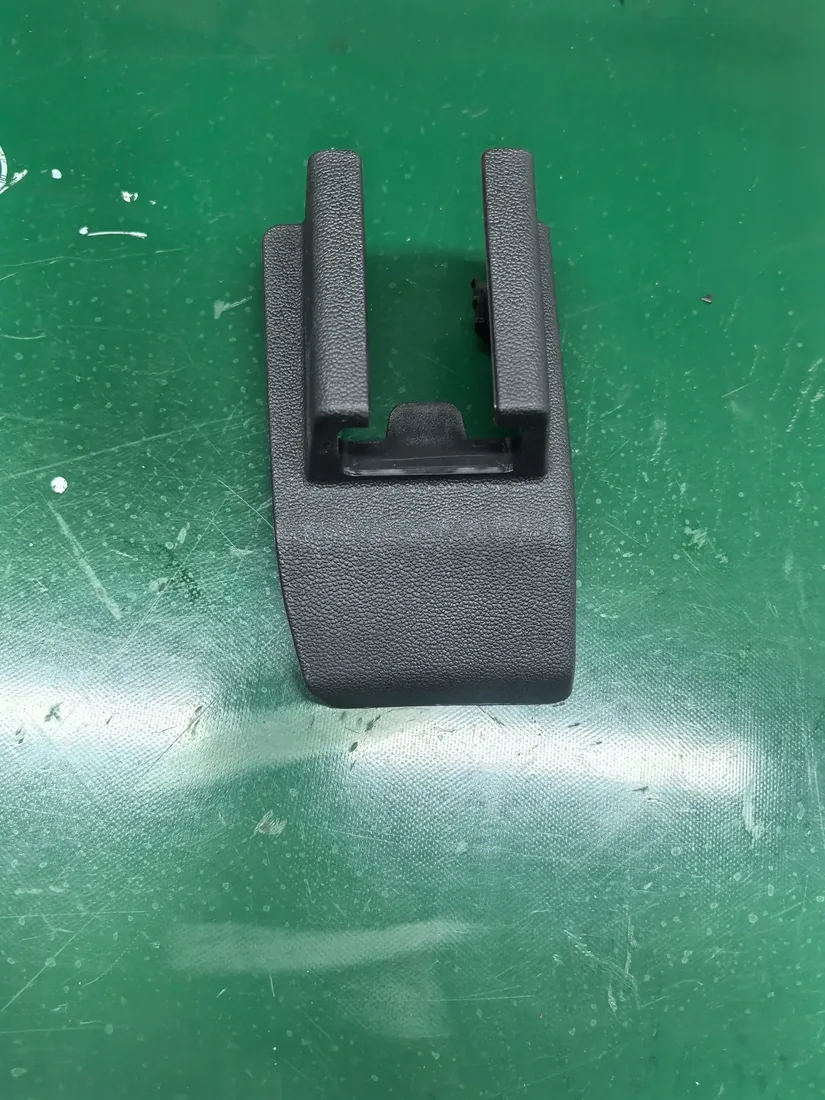
1. Prototype Mold: Purpose and Typical Life
You use a prototype mold plastic injection tool to validate design, fit and assembly, and to get customer approval — not to run production. That purpose determines everything about how the mold is built.
Typical life for a prototype tool is a few thousand shots in aluminum or soft tooling, and up to the low tens of thousands with P20. When you see a prototype mold vs standard mold comparison, the key question is what the life rating really assumes. A "50,000-shot" rating usually assumes a specific resin, a moderate cycle time, and regular maintenance. Run glass-filled nylon at a fast cycle and that number means nothing.
We advise you to ask your supplier directly: what resin, what cycle time, and what maintenance interval does this life rating assume? If they cannot answer, you do not have a real rating.
A life rating is a three-variable statement. Resin, cycle time, maintenance. One number without those three is marketing, and it will be the number you argue about when the tool wears out early.
2. Bridge Tooling for Pilot Runs
You turn to bridge tooling when your design is not fully frozen but you already need to ship small volumes — for field trials, early customers, or certification samples. A bridge tool typically has a few more cavities and slightly better steel than a pure prototype mold, so it can support a pilot run without committing to full production tooling.
We often bundle pilot production with the tool in our quotes, and you should weigh the pros and cons carefully. Bundling can simplify scheduling and give you a single point of responsibility. But you must confirm one thing before you pay: can this bridge tool transition directly into mass production, or will you have to cut a new mold anyway? If the answer is the latter, treat the bridge tool as a sunk cost and budget for it openly.
What a pilot run is worth. 500 to 1,000 pieces made under your production conditions before the tool ships, with the parts travelling alongside the mold so the assembly line can start without waiting. Worth paying for — but only when the piece count, the days on the press and who pays the resin are written into the quote.
3. Soft Molds: Aluminum, Epoxy and Silicone
You have three soft-mold options, and they are not interchangeable. Aluminum soft tooling handles low-to-moderate volumes with engineering resins and gives you the best dimensional consistency of the three. Epoxy mold for plastic injection work suits very low volumes and simple geometry, and it is common in DIY and home plastic injection molding with an epoxy mold projects. Silicone is for the lowest volumes and the softest materials.
Table 1 · Three soft mold materials
| Material | Volume it suits | What to expect |
|---|---|---|
| Aluminum | Low to moderate | Best dimensional consistency of the three; runs engineering resins |
| Epoxy | Very low | Simple geometry only; common in DIY and home epoxy mold projects |
| Silicone | Lowest | Softest materials; lowest tooling cost, shortest life |
A soft plastic injection mold kit is fine for low-pressure, low-volume work, but you should not expect it to run engineering plastics at high temperature and high pressure. We also want to clear up a frequent confusion: can you injection mold soft plastic is a question about the resin (TPE, TPU, soft PVC), while a soft mold is a question about the tool material. They are two different things, and mixing them up leads to wrong expectations.
You should evaluate soft tooling on one number: piece cost at your volume. Soft molds have low tooling cost but high piece cost, so they make sense only up to a certain quantity. We help you calculate that break-even point before you commit.
4. Used Molds: Inspection Before You Pay
A used plastic injection mold can be excellent value or a costly trap, and the difference is entirely in the inspection. The price is low, but the condition is opaque.
Before you pay, you should check:
- Cavity corrosion. Water lines and storage conditions show up here first.
- Parting-line wear. A worn parting line means flash on every shot.
- Ejection system. Bent pins, cracked plates, missing springs.
- Cooling channels. Scale and blockage cannot be seen from outside; ask for a flow test.
- Spare-part availability. A tool with no available hot runner nozzle is scrap with a price tag.
To judge injection mold plastic condition honestly, ask for a tryout video, a CMM report, and the maintenance history. If the seller cannot provide them, walk away.
You also need to confirm the mold matches your press tonnage — we cover this in detail in our guide to injection-molding-machine-tonnage. When you shop plastic injection mold for sale listings, including the many plastic injection mold machines for sale used and plastic mold injection machines for sale listings online, remember that a mold without a matching press and a documented condition report is not a bargain.
5. Cavity Count Economics for 1k, 10k and 100k Parts
You should choose cavity count from your volume, not from habit. At around 1,000 parts, a single cavity or soft tool is usually the right call — tooling cost dominates, and piece cost is secondary. At 10,000 parts, you should start considering multi-cavity steel tooling, because spreading tooling cost across more parts begins to pay off. At 100,000 parts and above, you need a hardened steel mold; soft tooling piece cost and downtime will bury you.
Table 2 · Cavity count by volume
| Volume | Tooling to use | Why |
|---|---|---|
| ~1,000 pcs | Single cavity or soft tool | Tooling cost dominates; piece cost is secondary |
| ~10,000 pcs | Multi-cavity steel tooling | Spreading tooling cost across more parts starts to pay off |
| 100,000 pcs + | Hardened steel mold | Soft tooling piece cost and downtime bury the savings |
To calculate average low volume injection mold plastic part cost properly, you add amortized tooling cost to piece cost and multiply by your quantity. We recommend you decide on total cost of ownership, not on mold price alone. A cheap mold plastic injection that costs you three shutdowns is not cheap.
6. When to Move to Hardened Production Steel
You should move to hardened production steel when any of these signals appear:
- Annual demand climbs into the tens of thousands. The tool hours start to exceed what soft steel can hold.
- Your resin is corrosive or glass-filled. Abrasion and corrosion attack the cavity long before the shot count says it should.
- Your tolerances are tight. Soft steel drifts; hardened steel holds.
- Your downtime cost is high. Every hour of line stoppage costs more than the tool upgrade.
A durable mass production plastic injection mold built in H13 or S136 with proper heat treatment gives you longer life and lower maintenance.
This is also where custom mass production plastic injection mold and high volume plastic injection mold & injection molding production planning come in. We plan the production tool around your forecast, your press, and your maintenance capacity — not around a generic template.
The mistake you must avoid is stretching soft tooling into mass production. When you do, repair and downtime costs overtake the tooling savings within months. We have seen buyers lose more in a single quarter of soft-mold production than they would have spent on a proper hardened tool.
7. Four Stages, Two Rulers
Four tooling stages, four different jobs. Choosing the wrong stage costs you more than choosing an expensive mold. Use two rulers for your decision: what the life rating actually assumes, and what the total cost of ownership is at your volume. If you want to compare tooling cost against piece cost, our guide to plastic-injection-mold-cost walks you through the math.
Pick the stage before the supplier. Send the annual volume, the resin, the tolerance and the date you need parts. You get the stage that fits, the cavity count that pays back, and the life rating written with the resin, cycle time and maintenance it assumes.
Start the quote on WhatsApp (+86 191 1290 5173) or email 877657530@qq.com
All 34 pages in this injection mold guide
Foundations and design
- Hub: types, structure, companies
- Mold types, pros and cons
- Design service and workflow
- Mold flow analysis and 3D design
- Gate, runner, cooling, ejection
- Mold steel, aluminum and copper
- Commodity plastics: PP, ABS, PC
- Engineering plastics: PA, POM, PBT
Cost and delivery
- Cost breakdown
- Price range, quote, lead time
- Quality, precision, defects
- Cleaning, maintenance, repair
- Custom mold: drawing to T1
- Machine tonnage and fit
Sourcing and supply
- Tooling service: CNC, EDM, tryout
- Manufacturers and maker directory
- Factory layout and audit
- Suppliers, exporters and verification
- China supply, price, export
- China OEM / ODM process
By industry
- Medical
- Electronics
- Refrigerator and white goods
- Small appliance and houseware
- Automotive interior and exterior
- Automotive engineering plastics
- Motorcycle plastics
- Packaging, crate, pallet
- Cup, cutlery, container
- Furniture and chair
- Industrial, agricultural, construction
- Machine tonnage and fit
- Product cases: spoon, stopper, cup, sensor
Talk to the factory
WhatsApp and email reach the same team that cuts the steel, not a trading desk. Send the 3D file, the annual volume and the resin grade, and you get a quote with cavity count, steel and lead time.
- WhatsApp: +86 191 1290 5173
- Email: 877657530@qq.com
- Mold catalogue in English: Injection molds built in Chongqing · Catálogo en español