




Injection Mold Types, Pros and Cons, and How to Choose
Mold type is not a technical detail you settle after the part design is frozen — it is one of the first decisions that shapes your unit cost, cycle time, and cosmetic result. The plastic injection mold types you choose from all solve the same basic problem (fill a cavity, cool the plastic, eject the part), but they solve it with very different trade-offs in tooling cost, runner waste, gate location freedom, and maintenance complexity. This page compares the main types of injection mold — two-plate, three-plate, hot runner, stack and family molds — and shows you how to pick one for your part volume and cosmetic requirement. If you are still new to the tool itself, start with our plastic injection mold hub page , which covers structure, components, companies and buying.
| Types compared | Two-plate · Three-plate · Hot runner · Stack · Family |
|---|---|
| Hot runner premium | +20–40% on tooling cost |
| Volume switch points | <50k two-plate · >500k hot runner math |
| Multi-material options | Two-shot · Overmolding · Insert |
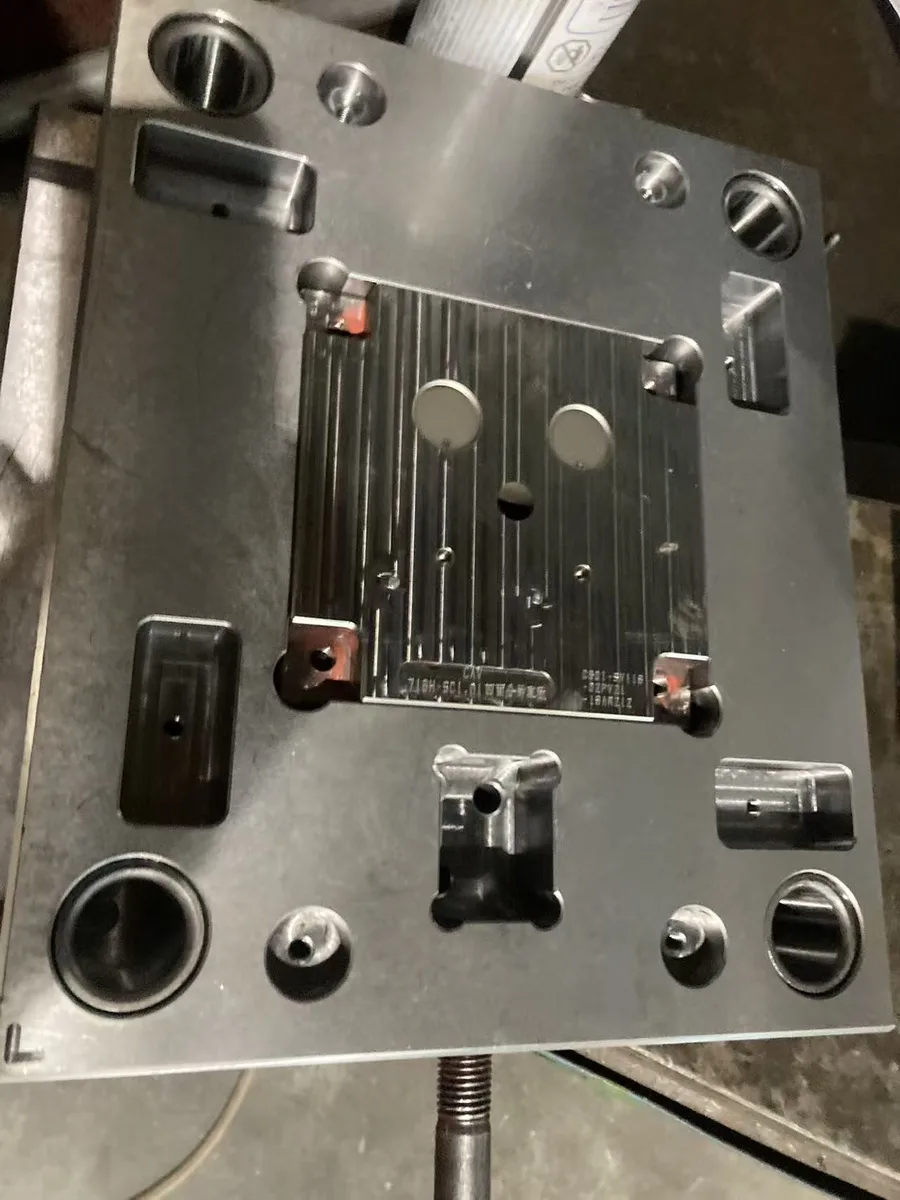
1. Why Mold Type Decides Your Unit Cost, Cycle Time and Cosmetic Result
Every plastic injection mold type is a different answer to three questions: where does the plastic enter the cavity, how does the runner system behave between shots, and how many parts come out per cycle. Those three answers set your gate location (and therefore your cosmetic freedom), your runner waste (and therefore your material cost), and your output per hour (and therefore your machine cost).
A reliable plastic injection mold is not simply a well-machined tool — it is a tool whose type matches your volume and appearance requirements. A reliable precision plastic injection mold for a low-volume cosmetic part may be a simple two-plate single-cavity tool; the same part at ten million units per year may justify a hot runner stack mold. The plastic injection mold classification below follows that logic: structure first, then runner system, then output strategy.
Table 3 · Five tool families, five different processes
| Tool family | What it forms | Typical parts | What decides quality |
|---|---|---|---|
| Injection mold | Plastic melt | Housings, connectors, preforms, crates | Shrinkage, venting, cooling |
| Die casting mold | Aluminium, zinc, magnesium melt | Housings, brackets, auto parts | Hot-work steel, thermal fatigue, draft |
| Rubber mold | Rubber compound | O-rings, oil seals, gaskets | Cavity count, flash control, cure |
| Stamping die | Metal sheet | Terminals, lead frames, structural parts | Clearance, cutting edge, coil feed |
| Compression mold | SMC, BMC, GMT sheet | Body panels, battery boxes, trays | Press tonnage, mold temperature, venting |
2. Two-Plate Mold: The Reliable Default for Most Parts
The two-plate mold is the best plastic injection mold starting point for most projects and the design you will see most often in any plastic injection mold types pdf or supplier catalog. It has a single parting surface: the cavity and core separate along one plane, the part and runner are ejected together, and the gate sits at the parting line or on a sub-surface. Tooling cost is the lowest of any plastic injection mold type, maintenance is straightforward, and lead time is short.
Its limitation is gate location. Because the gate must sit at the parting line, you cannot place it at the center of a large cosmetic face without leaving a mark. For parts where appearance is secondary — brackets, housings, internal components — this is rarely a problem. For best plastic injection mold parts with tight cosmetic requirements, the two-plate tool may force a gate position you do not want, which is where the three-plate design comes in. Among the best plastic injection mold parts service options, a well-built two-plate tool remains the most cost-effective choice when your part geometry allows it.
3. Three-Plate Mold and Point Gating for Multi-Cavity Work
A three-plate mold adds a second parting surface and a runner stripper plate, which lets the gate sit directly above the part rather than at its edge. The practical benefit is point gating: you can place the gate at the center of a cosmetic face, or distribute gates across a multi-cavity layout, without the gate mark appearing on a visible surface. This is the best plastic injection mold choice when your part has a large visible face and your volume justifies a multi cavity plastic injection mold layout.
The trade-offs are real. A three-plate tool costs more than a two-plate tool of the same cavity count, the runner system is longer (more material waste in a cold runner design), and the added plate movement increases maintenance attention. For high precision plastic injection mold features — tight dimensional tolerances, complex gating, demanding surface finish — the three-plate design often earns its cost back through fewer cosmetic rejects and more flexible gate placement. If your part is a best plastic injection mold for food containers application, point gating at the base center is usually the cleanest way to avoid a gate mark on the food-contact surface.
4. Hot Runner vs Cold Runner: Waste, Color Change and Cost
The hot runner vs cold runner decision is the single most consequential runner-system choice in injection mold plastic types. A hot runner system keeps the plastic molten in the runner from shot to shot, so there is no runner to eject, no regrind, and no runner-induced cycle time. For high-volume production of small parts, the material savings alone can pay back the hot runner premium within months. A cold runner ejects the runner with the part, which means you either regrind it (with the quality risks that entails) or discard it.
The hot runner trade-offs are tooling cost (typically 20–40% more than a comparable cold runner tool), maintenance complexity (manifold, nozzles, heaters and thermocouples all need service), and color change. Changing color in a hot runner system requires purging the manifold and nozzles, which takes time and generates scrap; a cold runner color change is faster and cleaner because the runner is ejected every shot. That is why mold plastic injection projects with frequent color changes often stay on cold runners even at high volume, while single-color, high-volume injection mold plastic programs move to hot runners. The plastic injection mold machine you run also matters: hot runner systems need reliable temperature control, and older machines may not hold the setpoints a hot runner expects.
Table 1 · Runner system decision
| Point | Hot runner | Cold runner |
|---|---|---|
| Tooling cost | +20–40% | Baseline, lowest |
| Runner scrap | None — no runner ejected | Every shot; regrind or discard |
| Color change | Manifold purge, slow, scrap | Fast and clean |
| Maintenance | Manifold, nozzles, heaters, thermocouples | Straightforward |
| Machine demand | Stable, accurate temperature control | Standard barrel control |
5. Stack Molds and Family Molds for High Output
A stack mold doubles output without doubling machine size by stacking two (or more) mold levels on the same machine platens. Each cycle produces parts from both levels, so output roughly doubles for a modest increase in tool height and clamping force. The productivity math is attractive: stack mold productivity math usually shows double output for a mold that is taller but not twice as expensive. The costs are a more complex tool, tighter alignment requirements, and a taller mold that may not fit every plastic injection mold machine in your shop. Stack molds make sense when you have a stable, high-volume part and want to reduce machine hours per part rather than add presses.
A family mold puts several different parts in one tool, gated together, so one cycle produces a set of components. This is efficient when the parts share a resin and are used together (a housing and its cover, for example), but it is unforgiving: if one cavity needs maintenance, the whole tool comes off the press, and the parts must have compatible shrinkage and wall thickness. Family molds are a plastic injection mold type worth considering when your assembly needs several small parts in matched quantities and you want to avoid multiple tool changes.
Stack mold check before you commit. Platen size, daylight, clamping force and crane capacity all decide whether a stack design is buildable on your existing press. Confirm these four numbers before the tool design starts — a stack mold that does not fit the machine is a redesign, not a quote adjustment.
6. Two-Shot, Overmolding and Insert Molding Compared
These three designs sit outside the two-plate/three-plate/hot-runner axis but belong in any plastic injection mold types discussion because they solve multi-material and embedded-part problems. Two-shot molding runs two resins in one cycle on a dedicated two-shot machine, producing a bonded multi-color or multi-material part with no assembly step. Overmolding molds a second resin over a pre-molded substrate, often in a separate tool and press. Insert molding places a metal or plastic insert into the cavity before injection so the resin encapsulates it.
The choice among them depends on your part function and your press capability. Two-shot needs a two-shot machine and a more complex tool; overmolding can often run on standard equipment with two tools; insert molding needs loading automation or manual placement. All three are plastic injection mold type options that trade tooling complexity for assembly savings — worth evaluating when your part has a soft-touch surface, a sealing interface, or a structural insert.
7. Side-by-Side Comparison Table
Table 2 · Mold type comparison
| Mold type | Tooling cost | Runner waste | Gate location freedom | Best fit |
|---|---|---|---|---|
| Two-plate | Low | Cold runner waste | Parting line only | Most parts, low–mid volume |
| Three-plate | Mid | Higher (longer runner) | Point gate, center of face | Cosmetic parts, multi-cavity |
| Hot runner | High (+20–40%) | Near zero | Flexible | High volume, single color |
| Stack mold | High | Depends on runner | Flexible | Very high volume, stable part |
| Family mold | Mid | Shared runner | Constrained by part set | Matched small parts, one resin |
Use this table as a first filter, then confirm with a DFM review — what makes best plastic injection mold choice for your project depends on your actual volume, resin, and cosmetic spec, not on a generic ranking.
8. How to Choose a Mold Type in Five Questions
- What is your annual volume? Under ~50k parts, a two-plate cold runner tool is usually the best plastic injection mold value. Above ~500k, run the hot runner payback math.
- Does your part have a large cosmetic face? If yes, three-plate point gating or a hot runner drop may be required to keep the gate off the visible surface.
- How often will you change color? Frequent color changes favor cold runners; single-color long runs favor hot runners.
- Does your press fit a stack mold? Check platen size, daylight, and clamping force before committing to a stack design.
- Are several parts used together in matched quantities? A family mold may cut tool count, but only if the parts share resin and shrinkage behavior.
Do not mix the two tool families. The perbedaan injection mold plastic dengan die casting mold question comes up often here: die casting molds are built for molten metal, with different steel, venting, and thermal management, and they do not share tooling logic with plastic mold injection. Keep the two families separate when you compare quotes, and do not assume a die casting shop's tooling advice transfers to injection plastic mold work.
9. What “Reliable” and “Best” Really Mean When You Compare Quotes
A best plastic injection mold quotation is not the lowest number — it is the tool whose type, steel, and runner system match your volume and appearance spec. A best weather resistant injection mold plastic part may need a specific steel and surface treatment that a low quote omits. A best plastic injection mold parts supplier will show you a plastic injection mold components diagram and explain gate location, cooling layout, and slider placement before you approve the design. When you compare plastic injection mold cost across suppliers, compare the same mold type, the same steel grades, and the same trial-run scope; otherwise you are comparing different products. Our plastic injection mold company page explains how we quote and what we include.
10. Where to Go Next: Design, Prototyping and Volume Planning
Mold type selection is tightly coupled to part design and volume planning. If your design is not yet frozen, review our plastic injection mold design guidance before you lock the tool type — gate location, draft, and wall thickness decisions made at the design stage determine which plastic injection mold type is even feasible. If you are not ready for production tooling, our prototype and low-volume to mass production page explains when a bridge tool or a plastic injection mold family mold makes sense versus a full production tool.
For a complete view of structure, components, companies, and buying, return to our plastic injection mold hub page. If you want a type recommendation for your specific part, send us your 3D file, resin, annual volume, and cosmetic requirements, and we will tell you which plastic injection mold types fit — and which ones to rule out before you spend money on steel.
Get a mold type recommendation. Send a 3D file, resin grade, annual volume and cosmetic requirement. You get a type shortlist, the runner-system call, and the trade-offs we would rule out — before any steel is ordered.
Start the quote on WhatsApp (+86 191 1290 5173) or email 877657530@qq.com
All 34 pages in this injection mold guide
Foundations and design
- Hub: types, structure, companies
- Design service and workflow
- Mold flow analysis and 3D design
- Gate, runner, cooling, ejection
- Mold steel, aluminum and copper
- Machine selection and clamp tonnage
Cost, quality and care
- Cost breakdown
- Price range, quote, lead time
- Prototype, low volume, bridge tooling
- Quality, precision, defects
- Cleaning, maintenance, repair
- Custom mold: drawing to T1
Sourcing and supply
- Tooling service: CNC, EDM, tryout
- Manufacturers and maker directory
- Factory layout and audit
- Suppliers and exporters
- China supplier and export
- China custom OEM / ODM
- Import, HS code and duty
By industry
- Medical
- Electronics
- Refrigerator and white goods
- Small appliance and houseware
- Automotive interior and exterior
- Automotive engineering plastics
- Motorcycle plastics
- Packaging, crate, pallet
- Cup, cutlery, container
- Furniture and chair
- Industrial, agricultural, construction
- Machine tonnage and fit
- Product cases: spoon, stopper, cup, sensor
Talk to the factory
WhatsApp and email reach the same team that cuts the steel, not a trading desk. Send the 3D file, the annual volume and the resin grade, and you get a quote with cavity count, steel and lead time.
- WhatsApp: +86 191 1290 5173
- Email: 877657530@qq.com
- Mold catalogue in English: Injection molds built in Chongqing · Catálogo en español