




Plastic Injection Mold: Types, Structure, Companies and How to Buy
If you are sourcing a plastic injection mold for a new product line or replacing a worn tool, the decisions you make at this stage determine your unit cost, production speed, and part quality for the entire product lifecycle. This guide consolidates what you need to know about mold structure, the plastic injection mold companies that build them, and how to navigate wholesale plastic injection mold sourcing without compromising on precision.
| Cavity / core steel | P20 · H13 · S136 |
|---|---|
| Cavity count in scope | 1 to 8+ per tool |
| Lead time | 4–6 wk simple · 10–16 wk complex |
| Quality baseline | ISO 9001 · IATF 16949 · ISO 13485 |
1. What a Plastic Injection Mold Is and How It Works
A plastic injection mold is a precision tool built from steel or aluminum that gives molten plastic its final shape. The process is straightforward in principle: plastic pellets are heated until molten, injected under pressure into a closed mold cavity, cooled until solid, and ejected as a finished part or plastic injection mold assembly.
What separates a good mold from a problematic one is how well the tool manages heat, pressure, and ejection across millions of cycles. A high precision custom plastic injection mold ODM project typically begins with a DFM (Design for Manufacturability) review, where our mold engineers analyze wall thickness, draft angles, gate locations, and cooling paths before cutting steel. The benefits of high precision custom plastic injection mold ODM sourcing become clear here: fewer trial runs, shorter cycle times, and fewer defects once production begins.
If you are exploring what is a mold in practical terms, the answer usually comes down to two halves: the cavity (which forms the external surface) and the core (which forms internal features). Everything else — the mold base, ejector system, cooling channels, and runner system — exists to support those two critical components.
Vocabulary that matches how buyers search. Tier one: injection mold, plastic mold, mold making. Tier two: injection molding, precision mold, two-shot mold, hot runner mold, overmolding, die casting mold, rubber mold, compression mold, mold base, mold frame. Tier three: the part words — preform mold, crate mold, headlamp mold, connector mold, trocar mold, guide pin and bushing. A page that speaks all three tiers is found by all three kinds of buyer.
2. Mold Structure and Components: Cavity, Core, Base, Inserts
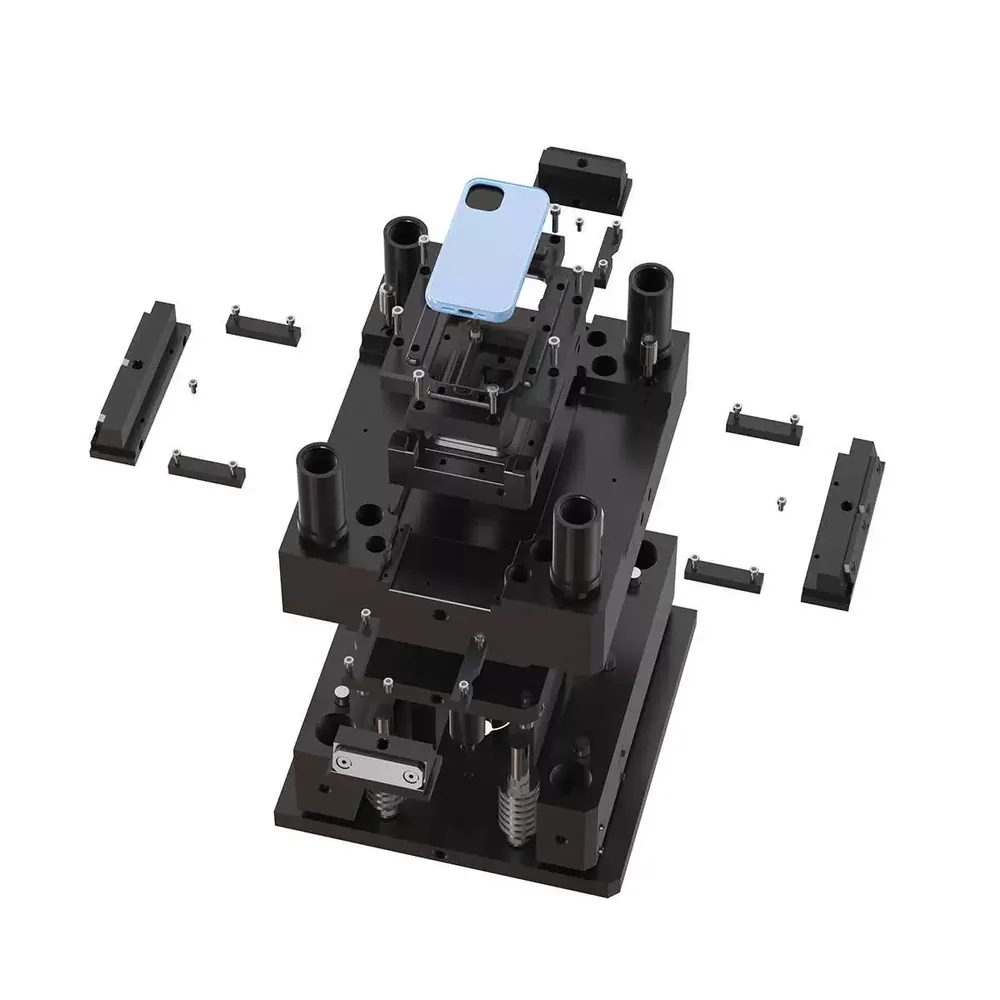
Understanding parts of a mold is essential for evaluating quotations and comparing suppliers. The plastic injection mold structure breaks down into several functional systems, but three components deserve your early attention:
- The cavity and core. The plastic injection mold cavity and plastic injection mold core are the matched steel blocks that define your part’s geometry. Cavity steel selection depends on resin abrasiveness, production volume, and surface finish requirements. Common grades include P20 for general-purpose tools, H13 for wear resistance, and S136 for optical or cosmetic parts. When a mold includes inserts added plastic injection mold design, those inserts allow you to replace worn or damaged sections without scrapping the entire tool.
- The mold base. The plastic injection mold base holds the cavity, core, ejector plates, and guide pins in alignment. A custom plastic injection molding mold base is sized to your part and your injection molding machine’s platen dimensions. LKM mold base plastic injection mold configurations are widely specified in Asian sourcing because LKM standard bases are readily available and interchangeable. When you compare plastic injection mold base cost, note that base price varies with size, steel grade, and whether the base is standard or custom plastic injection molding mold base maker specification.
- Clamping and ejection. Plastic injection mold clamps secure the mold to the machine’s platens during injection and opening. Ejection systems — whether pin, sleeve, or stripper plate — must be matched to your part geometry to avoid marking or distortion.
We provide a plastic injection mold components diagram so you can review the components of a mold before requesting a quotation. Understanding our mold structure helps you ask specific questions about steel grades, plastic injection mold sliders core or cavity side placement, and cooling line layout, so that you receive an accurate plastic injection mold price.
3. Mold Types and How to Pick One for Your Part
The mold plastic injection category covers a wide range of tool designs. The most basic distinction is between single cavity plastic injection mold and multi cavity plastic injection mold tools. A single-cavity tool suits low-volume production, bridge tooling, or parts with demanding cosmetic requirements. A multi cavity plastic injection mold spreads tooling cost across more parts per cycle, but only when your annual volume justifies the higher upfront investment. Moving from one cavity to eight can reduce unit cost by 20–40%, but the savings depend on balanced runners, consistent cooling, and realistic demand forecasts.
Two-plate and three-plate molds
The plastic injection mold you most commonly encounter is the two-plate (single parting surface) design, where the cavity and core separate along one plane. A three-plate mold adds a runner stripper plate, allowing the gate to be positioned away from the part’s cosmetic surfaces — useful for plastic injection mold projects with tight gate-location constraints.
Table 1 · Plate design trade-off
| Design | Parting surfaces | Gate placement | Fits |
|---|---|---|---|
| Two-plate | 1 | At the parting line | Most parts; simplest tool and lowest cost |
| Three-plate | 2 | Off the cosmetic surface | Appearance parts with strict gate witness limits |
Hot runner and cold runner
A hot runner plastic injection mold keeps plastic molten in the runner system from shot to shot, eliminating runner scrap and often shortening cycle time. The trade-off is higher tooling cost (typically 20–40% more than a cold runner system) and more complex maintenance. A cold runner tool costs less upfront but generates runner waste that must be reground or discarded.
Table 2 · Hot runner vs cold runner
| Hot runner | Cold runner | |
|---|---|---|
| Tooling cost | +20–40% | Baseline |
| Runner scrap | None | Regrind or discard every shot |
| Maintenance | More complex | Simple |
| Best for | Continuous high volume, colour discipline | Low volume, frequent colour change |
Specialty designs
When your part has undercuts, side holes, or internal threads, the mold may require sliders, lifters, or unscrewing mechanisms. A closed plastic injection mold (where the mold closes completely around the part) may be necessary for certain geometries. For precision structural components plastic injection mold applications, our tool design must account for warpage, weld-line strength, and dimensional stability across your production run.
4. Companies, Manufacturers and Suppliers: How to Compare Them
The plastic injection mold companies market ranges from small tool shops to vertically integrated manufacturers that handle design, tooling, molding, and assembly. Comparing plastic injection mold companies fairly requires you to look beyond the mold quotation.
Experience and technical capability
Ask for documented projects similar to yours. A high precision plastic injection mold OEM supplier should provide DFM reports, mold flow analysis, and steel certifications as standard deliverables. Companies that routinely build high precision custom plastic injection mold OEM solutions for regulated industries (medical, automotive, aerospace) typically have more rigorous quality systems than general-purpose shops.
Quality systems
ISO 9001 certification is a baseline. For medical tooling, ISO 13485 matters; for automotive, IATF 16949. A plastic injection mold manufacturer for OEM production should be able to show you first-article inspection reports, dimensional validation records, and a clear traceability process.
Geographic considerations
You may search for mold companies florida, mold companies of ny, or plastic mold injection companies in michigan when you want domestic tooling for supply-chain simplicity. Plastic mold injection companies ontario and plastic mold injection companies in wisconsin serve similar regional manufacturing corridors. For overseas sourcing, plastic injection mold components china suppliers and oem plastic shenzhen injection mold shops offer competitive pricing, but you should apply additional diligence on shipping, communication, and IP protection. A plastic injection mold company in uk or a plastic mold injection company in Arizona may be preferable when your lead time and responsiveness needs outweigh unit cost.
Red flags
A plastic mold injection companies list compiled from directories can be a starting point, but verify each plastic mold injection companies supplier independently. Avoid remedy company plastic mold injection listings that appear to be lead-generation aggregators rather than actual toolmakers. If you are concerned about safety for companies that is plastic injection mold sourcing, request references and, where possible, audit the shop floor.
5. Buying at Volume: Wholesale, MOQ and OEM/ODM
Wholesale plastic injection mold pricing is not a catalog rate — it is a quotation we negotiate with you based on part size, cavity count, steel selection, and delivery timeline. A wholesale plastic injection mold maker typically offers lower per-mold pricing for repeat orders or multi-tool projects, but the definition of “wholesale” in tooling differs from commodity goods.
OEM and ODM options
Oem plastic injection mold arrangements usually mean you provide part drawings and own the tool. Oem odm producent custom plastic injection mold projects give us more latitude to propose design modifications that reduce your tooling cost or improve manufacturability. As a high precision plastic injection mold oem supplier, we document any proposed changes and their impact on your part function.
MOQ realities
Mold making itself rarely has a meaningful MOQ — one tool is one tool. Bulk plastic injection mold pricing applies when you commit to multiple tools or a long-term molding contract. Wholesale bulk commodity plastic injection mold and bulk wholesale commodity plastic injection mold searches often reflect buyers looking for standard base configurations or family molds for commodity parts.
What to specify
Whether you are sourcing a wholesale custom plastic injection mold or a bulk plastic injection mold & injection molding production package, your quotation should break down mold base, cavity/core steel, hot runner (if applicable), surface finish, and trial run quantities. Plastic injection mold design wholesale and wholesale plastic injection mold design services should include 3D mold design files and a DFM report before we order steel.
For electrical components, wholesale electrical plastic injection mold and electrical plastic injection mold wholesale suppliers should demonstrate experience with flame-retardant resins and insulation requirements. Multi shot plastic injection mold wholesale capabilities matter when your part requires two materials or two colors in a single cycle.
6. Design, Tooling, Cost and Lead Time: Where to Go Next
Cost drivers
The plastic injection mold base cost is only one line item. Cavity and core steel, machining tolerances, surface finish (mirror polishing, texture, EDM), sliders for undercuts, and hot runner systems all move your final number. Plastic injection mold base cost for a small, standard base may be a modest fraction of the total; for a large tool with complex geometry, the base is a smaller share than the machining hours. Plastic injection mold fuel system components and plastic injection mold fuel tank components tools, for example, often require specialized steel and rigorous leak-test protocols that add cost.
Lead time
A simple single-cavity tool may complete in 4–6 weeks. A multi-cavity tool with hot runner, sliders, and tight tolerances can take 10–16 weeks or more. Plastic injection mold making company lead times depend on current shop load, steel availability, and trial scheduling. Always confirm with us whether your quoted lead time includes mold trials and sample approval.
The eight systems
If you want to go deeper, the eight systems of an injection mold include: (1) cavity and core, (2) gating and runner, (3) cooling, (4) ejection, (5) clamping, (6) alignment and guidance, (7) venting, and (8) sliding/undercut mechanisms. Understanding these systems helps you ask informed questions during plastic injection mold tooling company evaluations and plastic injection mold tooling reviews.
- 1. Cavity and core — the part geometry, and the steel that decides life and finish.
- 2. Gating and runner — fill balance, weld lines, and how much scrap each shot carries.
- 3. Cooling — cycle time, warpage, and the difference between a stable process and a drifting one.
- 4. Ejection — part release without marks, drag, or deformation.
- 5. Clamping — projecting flash at the parting line if it is under-sized.
- 6. Alignment and guidance — repeatable shut height across millions of cycles.
- 7. Venting — burns, short shots, and weak weld lines start here.
- 8. Sliding / undercut mechanisms — the cost centre that decides whether the mould is buildable at all.
Where to go next
If you are comparing suppliers, start with a mold companies shortlist and request DFM feedback on your part. If you are ready to quote, prepare a 2D drawing with tolerances, a 3D STEP file, resin specification, annual volume forecast, and target lead time. The order for plastic flow in an injection mold is determined by gate location and part geometry — we will explain how our proposed design manages fill, pack, and cooling before you approve the tool.
Plastic mold injection wholesale and wholesale mold plastic injection arrangements work best when you and we agree on specifications, inspection criteria, and change-order procedures upfront. Whether you need a wholesale injection plastic mold for a simple commodity part or a high precision plastic injection mold components manufacturer for a complex assembly, the same principle applies: the mold is the foundation of your production economics. Choose the tool and the mold company behind it with the same care you apply to your product design.
Send a part drawing, get DFM feedback. 2D drawing with tolerances, 3D STEP, resin grade, annual volume and target lead time — that is enough for a cavity-count proposal and an honest price band.
Start the quote on WhatsApp (+86 191 1290 5173) or email 877657530@qq.com
All 34 pages in this injection mold guide
Foundations and design
- Mold types, pros and cons, selection
- Design service and workflow
- Mold flow analysis and 3D design
- Gate, runner, cooling, ejection
- Mold steel, aluminum and copper
- Commodity plastics: PP, ABS, PC
- Engineering plastics: PA, POM, PBT
- Machine selection and clamp tonnage
Sourcing and supply
- Tooling service: CNC, EDM, tryout
- Manufacturers and maker directory
- Factory layout and audit
- Suppliers and exporters
- China supplier and export
- China custom OEM / ODM
- Import, HS code and duty
- Custom mold: drawing to T1
Cost, quality and care
- Cost breakdown
- Price range, quote, lead time
- Prototype, low volume, used molds
- Quality, precision, defects
- Cleaning, maintenance, repair
By industry
- Medical
- Electronics
- Refrigerator and white goods
- Small appliance and houseware
- Automotive interior and exterior
- Automotive engineering plastics
- Motorcycle plastics
- Packaging, crate, pallet
- Cup, cutlery, container
- Furniture and chair
- Industrial, agricultural, construction
- Machine tonnage and fit
- Product cases: spoon, stopper, cup, sensor
Talk to the factory
WhatsApp and email reach the same team that cuts the steel, not a trading desk. Send the 3D file, the annual volume and the resin grade, and you get a quote with cavity count, steel and lead time.
- WhatsApp: +86 191 1290 5173
- Email: 877657530@qq.com
- Mold catalogue in English: Injection molds built in Chongqing · Catálogo en español